Picking the right exercise floor matsis super important when setting up a Gym. These mats aren’t just about looking good—they actually keep everyone safe, comfy, and standing up to daily wear and tear. I recently read that the fitness equipment market, including mats, is expected to see some pretty big growth in the next few years (thanks, IBISWorld!). So yeah, making smart choices now really pays off down the line.
Honestly, high-quality mats can totally transform your workout sessions. Things like the material, thickness, and overall design really matter. According to Statista, about 68% of gym folks say that the type of floor surface makes a big difference. If you go with the wrong ones, you might end up with injuries or just plain uncomfortable workouts—that’s not what you want. So, it’s worth taking a moment to think about what your gym really needs before hitting that buy button.
Not all mats are created equal, and unfortunately, some brands just don’t cut it. Sometimes they wear out faster than you’d like, or they don’t have enough grip, leading to slips or frustration. That’s why it’s smart to consider your specific gym environment and listen to feedback from trainers and clients. It might take a bit more effort to find the perfect mats, but honestly, the benefits? Totally worth it.
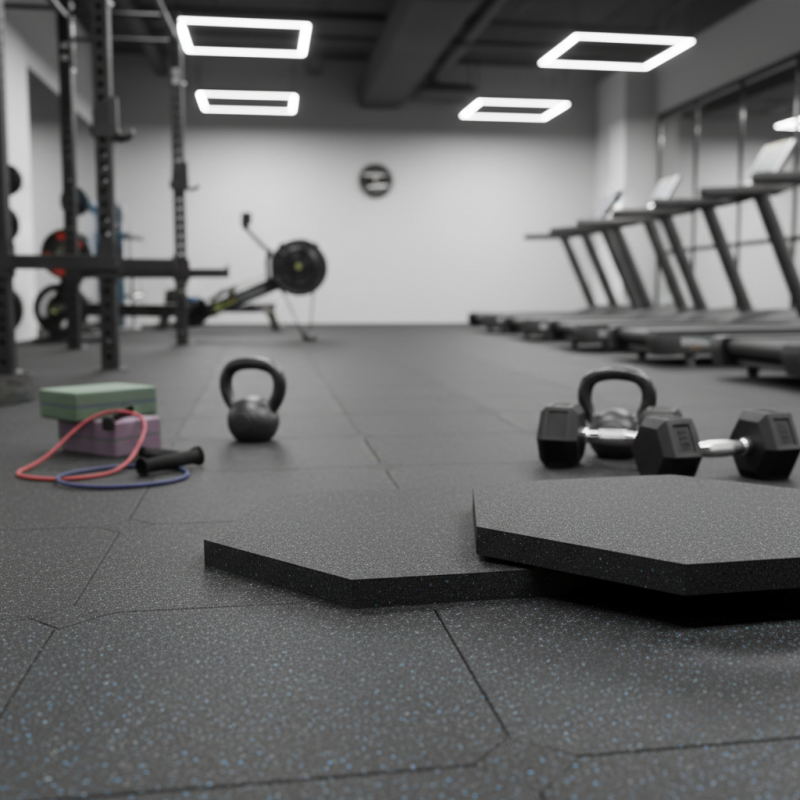
Understanding the Importance of Exercise Floor Mats in Gym Settings
When setting up a gym,Exercise Floor Mats play a crucial role. These mats provide cushioning and support during workouts. They also protect the underlying flooring from damage. This is especially important for weightlifting areas or high-impact exercise spaces.The right mat can enhance safety and comfort.
Choosing the right mat requires careful consideration. Look for thickness and material that match your exercise routines. Some people prefer softer mats for yoga. Others need firmer surfaces for weight training. Assess the durability, too. You want mats that withstand heavy use without wearing out quickly.
Tips for selecting mats include testing them before purchase. Consider the texture; it should prevent slipping. Always check for safety ratings. Not all mats are created equal. Reflect on your gym's specific needs. Find mats that align with your vision and environment for optimal results.
Evaluating Different Types of Materials for Gym Floor Mats
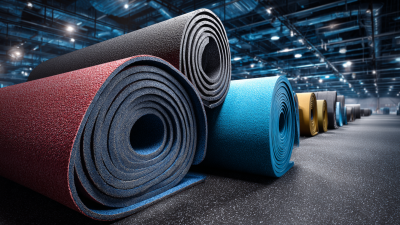
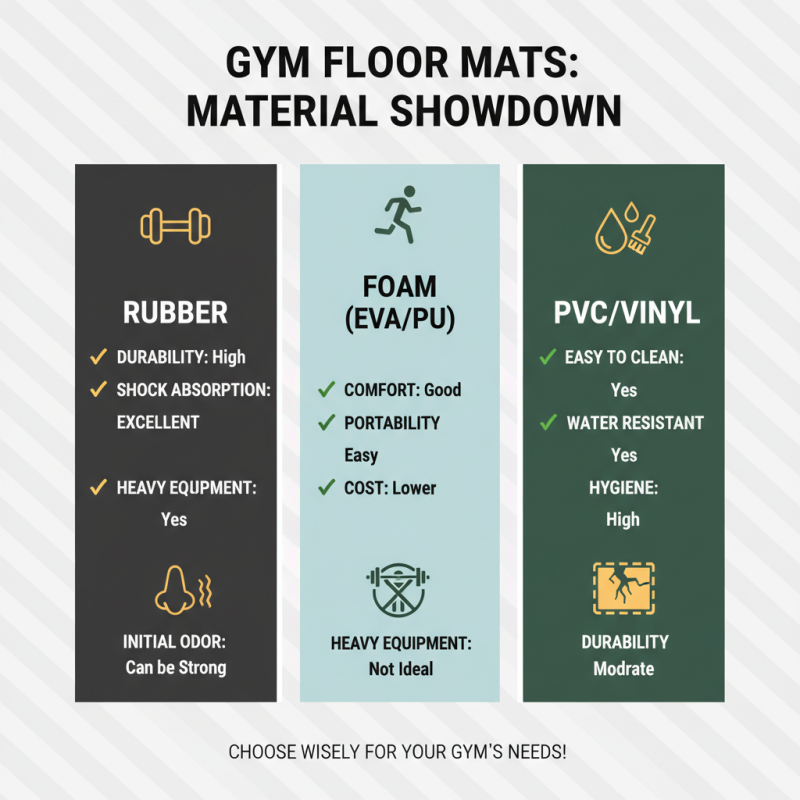
Choosing the right material for exercise floor mats is crucial for any gym. Different materials offer unique benefits and drawbacks. Rubber Mats are durable and provide excellent shock absorption. They can withstand heavy equipment and high foot traffic. However, they may emit an odor when new, which can be unpleasant.
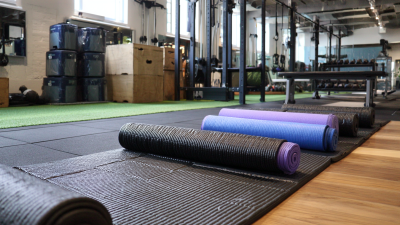
Foam mats are another popular option. They're lightweight and portable, making them easy to arrange and store. However, they may not hold up as well under heavy equipment or impact. Over time, foam can compress, losing its cushioning properties. This can be a concern in a busy gym environment.
Tips for selecting the right mat include considering your gym’s activities. If you anticipate high-intensity workouts, opt for thicker mats for added support. Always evaluate the ease of cleaning. Some materials absorb sweat and odors more than others. Regularly check your mats for wear and tear. Regular maintenance can prolong the lifespan of your Exercise Equipment Floor Mats.
Assessing Thickness and Density for Optimal Shock Absorption
When choosing Gym Exercise Mats, thickness and density play crucial roles. Studies reveal that mats with a thickness of at least 0.5 inches provide better shock absorption. They help reduce impact during workouts. For heavy lifting and high-intensity activities, consider mats up to 1 inch thick. This thickness can reduce stress on joints by up to 40%, which is significant for long-term training.
Density is equally important. High-density foam mats typically offer more durability and support. They can withstand repeated impact, maintaining their shape over time. According to fitness experts, a density rating of 80-100 kg/m³is ideal for Gym Exercise Mats. This ensures they provide the necessary support without compromising comfort. However, some users may find overly dense mats uncomfortable for low-impact exercises, which is a valid consideration.
It’s also worth noting that not all gyms require the same type of mats. Personal preferences vary widely. Some may prioritize cushioning, while others focus on stability. Feedback from various gym-goers indicates that a blend of thickness and density can enhance performance. However, it’s essential to balance these factors with individual needs. Finding the right combination might require trial and error.
Choosing Floor Mats Based on Specific Exercise Activities
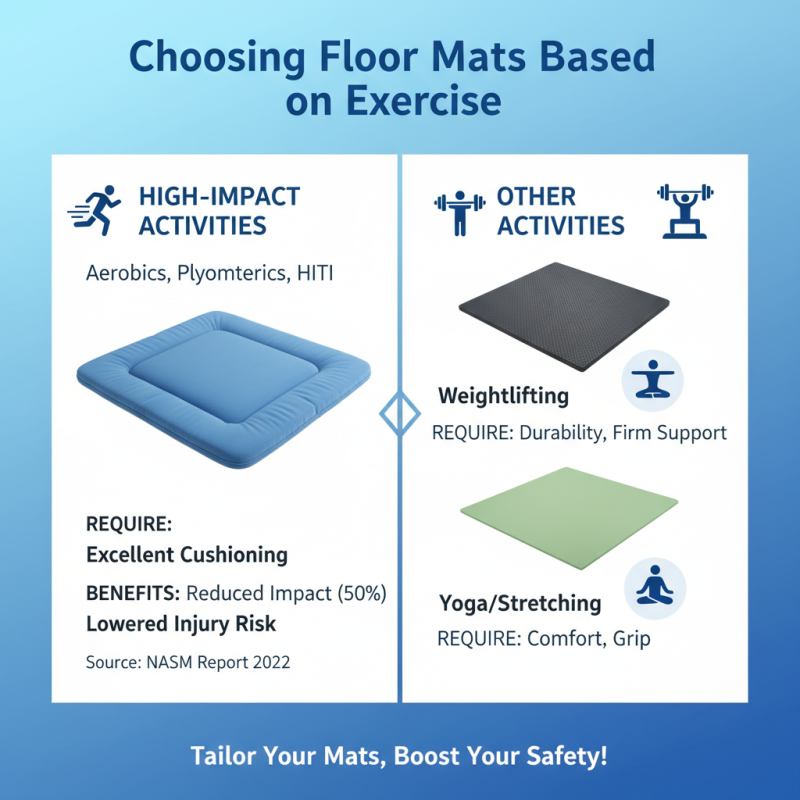
When selecting floor mats for your gym, consider the specific exercise activities. Each type of workout has unique demands that require tailored matting solutions. For example, high-impact activities like aerobic workouts benefit from mats that provide excellent cushioning. According to a 2022 report by the National Academy of Sports Medicine, cushioned flooring reduces impact forces by nearly 50%, decreasing injury risk.
Yoga and Pilates practitioners need mats with a non-slip surface for stability during poses. Slip-resistant materials are crucial here, especially in dynamic movements. A 2021 study published in the Journal of Sports Science highlighted that improper mat choices could lead to accidents, emphasizing the importance of textured surfaces for these exercises.
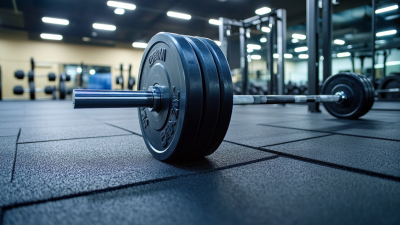
Weightlifting areas require mats that can withstand heavy loads and prevent damage to the floor. Durable rubber mats with a thickness of at least half an inch are recommended, as they offer superior shock absorption. In 2023, fitness equipment manufacturers noted that a lack of protective flooring can lead to costly repairs and alter gym aesthetics. A careful evaluation of your exercise environment will lead to improved safety and exercise performance.
Considering Maintenance and Durability for Longevity of Mats
When choosing exercise floor mats, durability is essential. Mats sustain wear from various activities. According to industry reports, high-quality mats need to withstand heavy foot traffic and equipment placement. Maintenance also plays a critical role in longevity. Regular cleaning prevents buildup and degradation. Mats should be easy to maintain, allowing users to keep them in pristine condition.
Consider materials carefully. Foam Exercise Mats are popular due to their shock absorption and comfort. However, they can wear down faster than rubber. Therefore, compare products to find the right balance between comfort and durability. A mat may look good initially but could deteriorate quickly under heavy use. Aim for mats with a warranty or guarantee as a sign of quality.
Tips: Check thickness and density. Thicker mats often provide better cushioning. Look for textured surfaces to prevent slips. Regularly inspect your mats for signs of wear. Replace them when necessary to ensure safety. Remember, investing in high-quality mats can save money long-term by reducing replacement frequency.
Analyzing Cost-Effectiveness of Various Gym Flooring Options
Choosing gym flooring is crucial. The right mats enhance safety while improving workout efficiency. Options vary greatly in cost and performance.
Rubber flooring is popular. It offers durability and shock absorption, reducing the risk of injuries. However, its cost may be high for some. Foam mats provide comfort but wear out faster. They're generally cheaper but may not hold up against heavy equipment.
Consider long-term value. Investing in quality mats may save money over time. Think about maintenance needs and potential replacements. Examine how various materials interact with your workouts and space. Reflect on your specific needs before making a choice.
Recognizing Safety Standards and Certifications for Gym Mats
When choosing exercise floor mats for your gym, safety standards are paramount. Gym mats should meet specific certifications to ensure they provide proper protection and support. Look for mats that have passed tests from recognized organizations, like ASTM International. These mats typically adhere to guidelines regarding slip resistance, impact absorption, and durability.
According to a report by the International Health, Racquet & Sportsclub Association (IHRSA), injuries related to gym flooring can lead to significant liability issues for facilities. Hence, choosing mats with certifications like ASTM F1303 can mitigate risks. The right Rubber Exercise Mats provide a non-slip surface, essential for high-intensity workouts and weight training.
Tip: Always check the mat’s traction properties, especially in high-traffic areas. The texture matters.
Pay attention to materials too. Not all rubber exercise mats are made equal. Some may contain harmful chemicals that pose health risks. Ensure that your mats are free from phthalates and have low VOC emissions. This makes a safer environment for gym-goers.
Tip: Request detailed material safety data sheets from suppliers to verify safety claims.
Ultimate Guide to Choosing China Manufacturer Gym Rubber Flooring for Effortless Installation and Optimal Performance
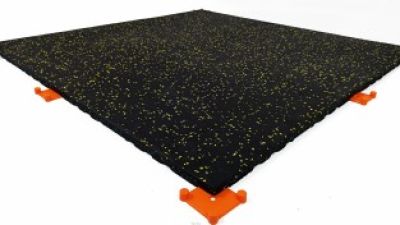
When selecting gym rubber flooring, especially for strength areas and free weight zones, it's crucial to prioritize materials that offer both performance and ease of installation. The Base style rubber tile features a 1.8mm SBR roll material on the surface layer, providing robust durability and a strong foundation that can withstand high-impact activities. According to industry research, utilizing quality rubber flooring can reduce noise levels by up to 30%, making it ideal for gyms where sound management is essential for a pleasant workout environment.
The underlying foam and sole combination, molded using advanced HT&HP technology, enhances shock absorption, minimizing stress on joints during intense workout sessions. This exhaustive performance trait is a significant factor; studies show that gym flooring significantly impacts user experience, with foam-backed rubber flooring increasing user comfort and safety during exercise routines. Additionally, the strong support strength and friction properties of this flooring solution ensure a safe exercise space, capable of enduring the wear and tear of heavy weights and repeated use.
Choosing the right flooring is not just about aesthetics; it's about creating a safe and effective workout environment that promotes performance. As the fitness industry continues to evolve, investments in high-quality rubber flooring will yield long-term benefits, underlining the importance of thoughtful selection for gym manufacturers and owners who prioritize both functionality and user satisfaction.
FAQS
: Exercise floor mats provide cushioning, support, and protect flooring from damage during workouts.
Consider mat thickness, material, and specific exercise needs. Test mats for comfort before purchasing.
Rubber and foam are popular. Rubber offers durability, while foam is lightweight and portable.
Durable mats withstand heavy use and maintain their quality over time, reducing the need for frequent replacements.
Regular cleaning prevents buildup and wear. Easy-to-maintain mats last longer and stay in better condition.
A textured surface prevents slipping during workouts, enhancing safety and stability.
Foam mats may not hold up well under heavy equipment, as they can compress over time.
Regularly check for signs of wear and replace them when necessary to ensure safety.
Yes, thicker mats typically offer better cushioning, especially for high-impact activities.
Yes, higher-quality mats may save money in the long run by reducing the need for replacements.
Conclusion
Exercise floor mats are essential for creating a safe and effective gym environment. They provide crucial shock absorption, protect the flooring underneath, and enhance comfort during workouts. When selecting the best exercise floor mats, it's important to understand the different materials available, as well as their thickness and density, which affect performance and durability.
Additionally, floor mats should be chosen based on the specific activities they will support, whether it’s weightlifting, yoga, or high-impact exercises. Maintenance considerations, such as ease of cleaning and resistance to wear, are also vital for ensuring the longevity of the mats. Finally, evaluating the cost-effectiveness of various options alongside safety standards and certifications will help gym owners make informed decisions that prioritize both functionality and safety for their users.