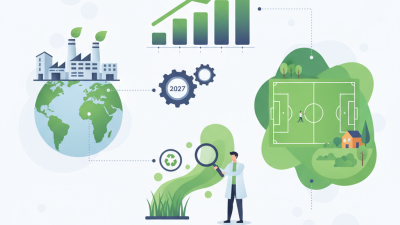
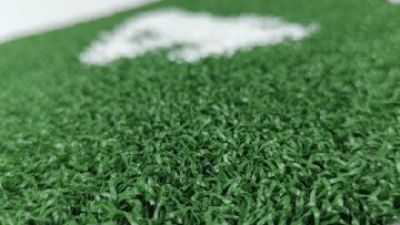
Choosing the best Artificial Grasscan feel a bit overwhelming sometimes. There are so many options out there, and honestly, not all of them are top quality. Experts warn that some products just don’t measure up. I read somewhere that the global artificial turf market is expected to hit around $2.6 billion by 2027—talk about growth! That just shows more folks are realizing how beneficial good Artificial Grass can be.
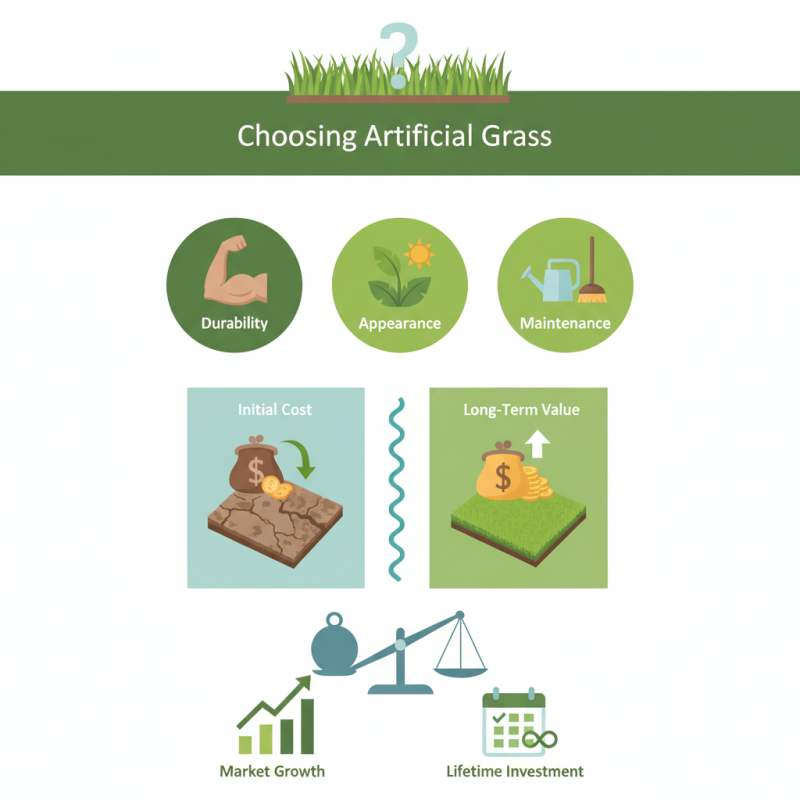
John Smith, a pretty well-known name in landscaping, once said, “Choosing the right artificial grass can totally change your outdoor space.” That really stuck with me because it highlights how important it is to pick something that suits your specific needs. Things like how durable it is, how good it looks, and how much effort it takes to keep up are really important to consider. Sometimes, a product might look amazing, but if it can’t handle lots of foot traffic, it’s not gonna last long.
A lot of people tend to forget about the long-term costs, though. Sure, a cheaper option might save you some cash upfront, but it could end up costing more down the line when you need to replace it sooner. From what I’ve seen, investing in a higher-quality turf actually pays off. It’s all about finding that balance between what you spend now and how well it performs over time. Keep these things in mind, and you’ll be able to pick something that really works for your lifestyle and outdoor space.
Factors to Consider When Choosing Artificial Grass
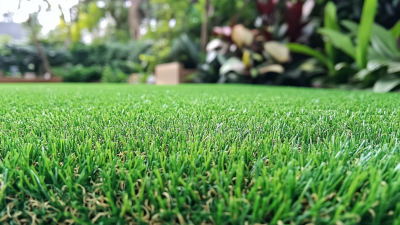
When selecting the best artificial grass for your needs, several factors should guide your decision. The blade height of the grass plays a crucial role. Taller blades can offer a more realistic look, but they may require more maintenance. Consider how thick the grass feels beneath your feet. A denser turf often mimics the feel of natural grass better.
Color is another essential aspect. Artificial grass comes in various shades, mimicking real grass types. Make sure the color matches your landscape aesthetics. Uneven shades could make your choice look artificial and less appealing. Outdoor lighting should also be considered, as the grass's appearance changes under different conditions.
**Tips:** Look closely at the grass's texture. Not all options feel the same. Test samples underfoot to find the best fit. Reflect on your choice after installation. Does it meet your expectations? Remember to consider the climate, as some materials perform better in certain environments.
Also, think about drainage. Good drainage prevents water pooling and keeps your grass looking fresh. Poor drainage can lead to unpleasant odors and mold growth. Weigh these factors carefully—you want a solution that enhances your outdoor space, not detracts from it.
Types of Artificial Grass Available on the Market
When selecting the best artificial grass, it's essential to explore the various types available. Options differ in texture, durability, and application. Some products are designed for high-foot traffic areas, while others may cater to aesthetic purposes. For instance, an Artificial Grass Rug ideal for a backyard may not be suitable for a sports facility.
Different blade shapes and colors also play a considerable role. Some brands offer a realistic look with a blend of green shades. Others focus on low-maintenance features, making them easier to clean. Consider how you plan to use the artificial grass. Will it endure children playing? Or will it enhance your patio's appearance? Understanding your needs is crucial.
Price is another factor that often reflects quality. Budget options may save money but may not last long under stress. Some products can fade quickly or lose shape. Researching your choices will help ensure long-term satisfaction. Remember, not all grass types suit your preferences. Finding the right balance between aesthetics and functionality is vital for lasting enjoyment.
Comparison of Different Types of Artificial Grass
Important Features to Look for in Artificial Grass
When selecting the best artificial grass, it's crucial to focus on essential features. Durability is a top priority. According to a study by the Synthetic Turf Council, quality artificial turf can last between 8 to 15 years, making longevity a significant factor in your decision. Look for grass with high UV resistance. This helps prevent fading due to sun exposure, keeping your yard vibrant for years.
Another important aspect is the infill used. Different infill materials can affect playability and comfort. For instance, crumb rubber is often favored for its cushioning effect. However, some studies suggest potential health concerns. Therefore, exploring alternative options like organic infill is wise. These materials offer a safer environment while providing adequate support.
Consider the pile height and density as well. A taller, denser pile mimics natural grass closely. Research indicates that Artificial Turf Grass with a pile height of around 1.5 inches tends to provide a more realistic feel. Pay attention to the overall appearance as well. Is the color natural? Does it blend well with your outdoor environment? Thoughtful consideration of these features will lead to a satisfying and reliable choice for your outdoor space.
How to Choose the Best Artificial Grass for Your Needs? - Important Features to Look for in Artificial Grass
| Feature | Description | Importance | Recommended Value |
| Material Type | The composition of fibers, commonly polyethylene, polypropylene, or nylon. | Durability and feel. | Choose polyethylene for residential and nylon for high traffic areas. |
| Pile Height | Height of the grass blades, usually measured in inches. | Affects look and feel. | 1.5 to 2.5 inches for a natural look. |
| Infill Material | The substance placed between grass blades to help them stand and provide cushioning. | Provides support and absorption. | Rubber or silica sand. |
| UV Resistance | Ability of the grass to withstand sun exposure without fading. | Prolongs lifespan and maintains appearance. | Look for UV stabilizers in the specifications. |
| Drainage Capability | Efficiency of water drainage through the material. | Prevents water pooling. | Check drainage holes and design. |
| Warranty | Duration and coverage of manufacturer’s warranty. | Indicates quality and reliability. | At least 8 to 15 years. |
Assessing the Durability and Longevity of Artificial Grass
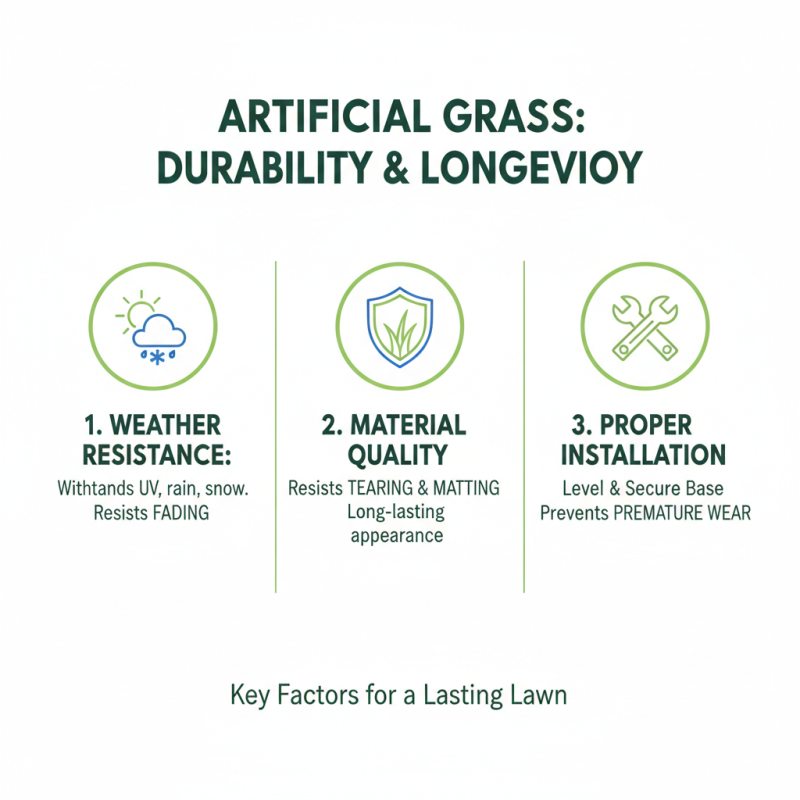
When selecting artificial grass, durability and longevity are crucial factors. Quality grass can withstand various weather conditions. It should resist fading, tearing, and matting. Look for materials that maintain their appearance for a longer time. Proper installation can also impact durability. Ensure the base is level and secure to prevent premature wear.
Evaluate potential usage areas. High-traffic zones demand more robust options. Consider backing materials that provide added stability. Some grass types are better for pets or heavy foot traffic. Not all options are created equal, so weigh your choices carefully.
Pay attention to maintenance needs too. Lower-maintenance grasses can save time and effort. However, some options may require more upkeep, which could affect their lifespan. Reflect on your lifestyle and how that affects your decision. Choosing the right grass means considering both immediate needs and long-term performance.
Environmental Impact of Artificial Grass Options
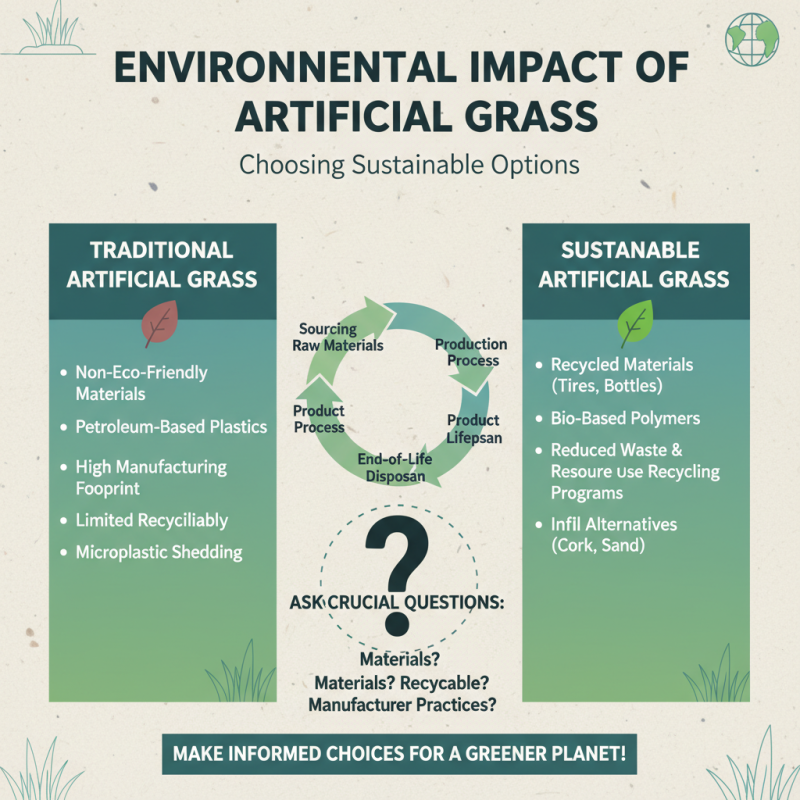
Choosing the right artificial grass requires consideration of its environmental impact. Traditional Synthetic Grass may be made from materials that are not eco-friendly. Understanding the sourcing and production process is crucial. Look for options that prioritize sustainability. Some manufacturers use recycled materials to create their products, which reduces waste and preserves resources.
When selecting artificial grass options, think about installing an Artificial Grass Carpet that mimics natural grass. This not only enhances aesthetics but can contribute positively to your outdoor space. However, not all artificial grass is created equal. It's essential to check for certifications that indicate low environmental impact.
Tips: Always check for UV stability. Grass that fades quickly will require replacement sooner. Consider the drainage system design. Poor drainage can lead to stagnant water, fostering mold and bacteria. Research the lifespan of the material. Sometimes, the money saved in the short term can lead to long-term costs. Investing in high-quality products often pays off.
Cost Comparison: Quality vs. Price in Artificial Grass
When choosing artificial grass, understanding the cost dynamics is crucial. The price per square foot can range from $2 to $8. High-quality options tend to be more expensive but offer better longevity and performance. According to a 2022 industry report, premium artificial turf lasts about 15–20 years, while cheaper varieties may only last 5–10 years. This longevity can significantly impact long-term cost efficiency.
Many homeowners focus solely on initial price. However, cheaper products may require more frequent replacements, leading to higher overall expenses. Additionally, maintenance costs can vary based on the quality of grass. A report from the Synthetic Turf Council indicates that investing an additional $1 per square foot in quality can save up to 30% on maintenance over time. Quality turf also provides better drainage and aesthetics, enhancing the outdoor space's appeal.
Choosing the right grass involves weighing these factors. It is essential to consider both immediate costs and the long-term value delivered by high-quality options. While a lower upfront cost can be enticing, it might not be the best investment in the long run. Reflecting on these aspects will ensure you make a more informed choice, supporting both your budget and your needs effectively.
Maintenance Requirements for Different Artificial Grass Types
When considering artificial grass, understanding maintenance is essential. Different types require varied care levels. For instance, fiber types affect cleaning frequency. Shorter, denser grasses might need less maintenance than longer, softer options. This can influence your decision based on your lifestyle and time available for upkeep.
Tips: Regularly brushing the grass can prevent matting. Cleaning spills or animal waste promptly reduces odors. For synthetic turf like Pu Backed Artificial Grass, occasional rinsing helps maintain its appearance.
Some people underestimate the importance of drainage in their selection. Poor drainage can lead to water pooling and damage. When evaluating options, consider how quickly water will move through the turf. Understanding this can influence both the longevity and aesthetic appeal of your chosen grass type.
Enhancing Your Outdoor Space: The Benefits of Turf Max Artificial Grass with Customized Patterns and PU Foam Padding
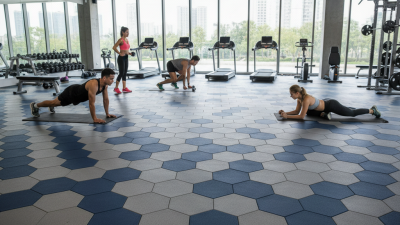
Artificial grass has emerged as a popular solution for enhancing outdoor spaces, particularly for those seeking to create versatile recreational areas. One such option is synthetic turf designed with customized patterns and incorporated with PU foam padding. This not only adds aesthetic appeal but also significantly improves functionality, making it ideal for activities ranging from casual gatherings to rigorous training sessions.
The Max style of artificial grass, crafted from PE material and featuring KDK fiber, stands out due to its specialized tufting—a combination of strength, softness, and optimal friction. According to industry reports, synthetic grass can reduce water consumption by up to 70% compared to natural lawns while requiring minimal maintenance. This feature is particularly advantageous for users wanting to minimize their ecological footprint while maintaining a lush green space year-round.
Moreover, the inclusion of a 5mm PU foam cushioning layer in the Max style promotes better joint protection during physical activities. Studies have shown that such cushioning can reduce the impact on joints by up to 30%, making it an excellent choice for functional and conditioning training. The customizable patterns further enhance user experience and contribute to the versatility of the outdoor space, allowing it to adapt to various sports and activities while offering both safety and comfort.
FAQS
: Consider blade height, thickness, color, and drainage. These impact appearance and maintenance needs.
Taller blades look more realistic but may require more upkeep. Shorter blades can be easier to maintain.
The color should match your landscape. Uneven shades can appear artificial and detract from the overall look.
The grass can look different under varying light conditions. Check color and appearance in different lighting.
Maintenance varies. Denser, shorter grasses often need less care compared to longer or softer options.
Good drainage prevents pooling and mold. Poor drainage can lead to unpleasant odors and damage over time.
Test samples underfoot to check texture and feel. This can help ensure you’re making the right choice.
Consider foot traffic and purpose. A backyard requires different features than a sports facility.
Price often reflects quality. Cheaper options may save money but could fade or wear out quickly.
Yes, evaluate if the grass meets your expectations for looks and functionality after it's installed.
Conclusion
When choosing the best artificial grass for your needs, several key factors should be considered. These include the different types of artificial grass available on the market, which vary in appearance and texture, allowing you to select one that best suits your aesthetic and functional requirements. It's essential to assess important features such as UV resistance, drainage capabilities, and pile height to ensure the grass meets your expectations for wear and appearance.
Moreover, evaluating the durability and longevity of the artificial grass is crucial, as well as understanding its environmental impact and maintenance needs. A thorough cost comparison between quality and price will help you make a more informed decision. By considering these factors, you can select the right artificial grass that combines long-lasting performance with sustainable practices.