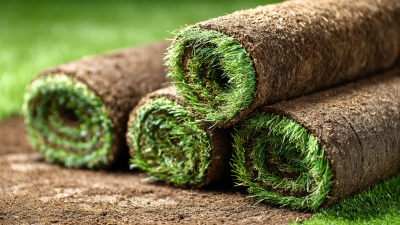
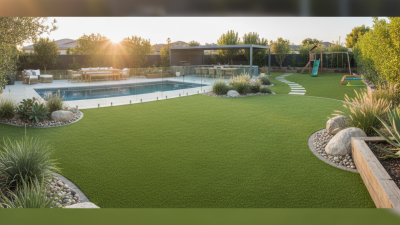
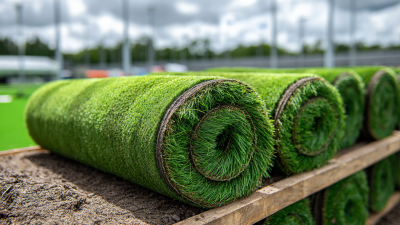
Picking the right Turf Rolls for your lawn isn’t just about aesthetics – it can really make or break your outdoor space. I chatted with John Stevens, who’s a pro over at Green Turf Solutions, and he pointed out something pretty important: "Going for quality turf rolls is key if you want a healthy, lush lawn." Honestly, good turf not only looks better but also holds up better over time, making your lawn more resilient and easier to care for.
When you're shopping around, it's a good idea to think about your local climate and what your lawn specifically needs. Not all turf is the same—some are drought-resistant, perfect for dry spells, while others are built for high foot traffic, so they hold up well in busy areas. Plus, seasonality matters too. Picking the wrong type might give you ugly patches or uneven patches in the long run.
And don’t forget about practicality and value. Not every turf roll is worth splurging on, especially if it’s way more expensive without offering much extra. For example, those gym rubber rollsare great for Gyms, but probably not what you want for your lawn. Making a balanced decision ensures you get the best bang for your buck and keeps your outdoor space looking awesome.
So, take your time, do some research, and choose wisely—you’ll love your lawn even more when it’s just right for your space and needs.

Factors to Consider When Selecting Turf Rolls for Your Lawn
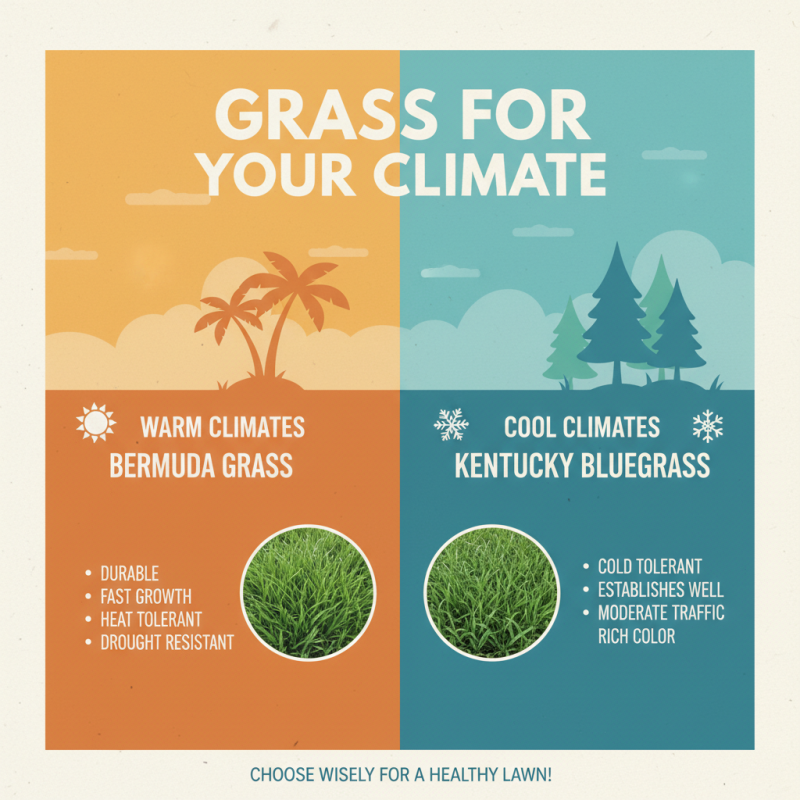
When selecting turf rolls for your lawn, various factors should guide your decision. The type of grass is crucial. Each variety offers unique benefits. Some thrive in direct sunlight, while others prefer shade. According to the National Gardening Association, warm-season grasses grow best in southern areas, while cool-season variants flourish in northern regions. Knowing your climate helps narrow your choices effectively.
Soil quality is another vital consideration. Soil pH significantly impacts grass health. A study by the American Society of Agronomy indicates that optimal pH levels for grass are typically between 6.0 and 7.0. Conducting a soil test ensures your turf rolls will thrive. Proper drainage is critical too. Poor drainage can lead to disease, negatively affecting your lawn's appearance.
Additionally, local climate conditions matter. Drought-resistant varieties can save water. A report from the Turfgrass Water Conservation Alliance highlights that lawns with drought-tolerant turf use 50% less water. However, not every type of turf suits all climates. Consideration of local weather patterns can prevent future issues. Remember that a well-informed decision can mitigate potential setbacks for your lawn.
Understanding Different Types of Grass Suitable for Your Climate
Choosing the right grass type for your lawn involves understanding your local climate. Grass varieties differ significantly in their adaptability to heat, cold, and humidity. In warm regions, Bermuda grass is popular for its durability and quick growth. Meanwhile, cool-season grasses, like Kentucky bluegrass, thrive better in northern climates. Each type has its unique benefits and drawbacks.
Consider factors like sunlight and soil type before making a choice. For instance, some grasses require full sun, while others tolerate shade. Not all lawns get the same amount of sun. Testing your soil can reveal its pH and nutrient levels. Doing so can guide your choice toward grass types that will flourish in your conditions.
Grass selection isn't a straightforward task. You might feel drawn to a particular type, only to find it's ill-suited for your environment. It’s essential to research the specific needs of each grass variety. Some require more water or special care during maintenance. Reflecting on your lawn's pattern and conditions can lead you to a better decision. Understanding these elements is crucial to a thriving lawn.
Assessing the Quality of Turf Rolls: Characteristics to Look For
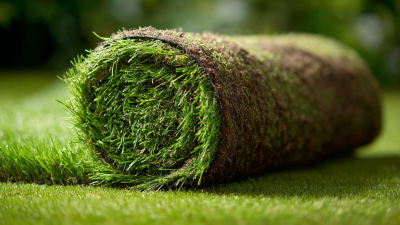
When assessing the quality of Turf Rolls, it’s important to look for specific characteristics. The texture of the turf can reveal a lot about its quality. It should feel dense and resilient to the touch. A soft, spongy texture might indicate poor quality. Check for uniformity in color as well. An even green shade often signifies healthy grass, while variations suggest issues.
Another key factor is the root system. High-quality turf rolls should exhibit robust roots. Pull a roll apart slightly to inspect the roots. They should be thick and intertwined. Weak or sparse roots might lead to problems later. Additionally, ensure the turf is weed-free. Weeds can disrupt growth and affect the aesthetics of your lawn.
Moisture is crucial as well. Turf rolls should be slightly damp but not soaking wet. Too much moisture can encourage disease, while dryness can harm the grass. Consider the thickness of the rolls, too. Thicker rolls tend to establish better. However, they might be heavier and tougher to handle. Keep these aspects in mind when choosing the best turf rolls for your lawn.
Measuring Your Lawn Area: Calculating the Amount of Turf Needed
Measuring your lawn area is crucial when selecting turf rolls. Accurate calculations prevent waste and ensure a healthy lawn. Start by sketching the dimensions of your yard. Break it down into shapes, like rectangles or circles. Measure each area’s length and width, or radius, where applicable. The average lawn is about 600 square feet, according to the National Association of Landscape Professionals.
To calculate total square footage, use the formula: length times width for rectangles; for circles, use π times radius squared. After getting the individual areas, sum them up. Be sure to add 10% for overages due to cutting and fitting. Turf rolls typically cover 100 square feet each. Therefore, if your area is 600 square feet, around six rolls will be necessary, factoring in additional needs.
Sometimes, homeowners underestimate their lawn areas. This results in ordering too little turf. Others might order excess, leading to unnecessary expenses. Consider trailering Rubber Floor Rolls for durability if your lawn sees significant foot traffic. Regular wear can impact longevity and aesthetics. Always assess whether your measurements align with the reality of your lawn area. It could save you time and money in the long run.
Evaluating Turf Roll Suppliers: What to Look For
When evaluating turf roll suppliers, consider their experience in the industry. Look for companies that have a solid reputation built over several years. Experience shows they understand the nuances of turf quality and installation. Check online reviews and testimonials as they provide insights into customer satisfaction. A reliable supplier will have consistent positive feedback.
Certifications and warranties are crucial too. They indicate a commitment to quality. Suppliers that stand by their products often provide warranties. This shows confidence in their turf rolls. Ask about their sourcing practices as well. The materials used can significantly affect durability and performance. Suppliers that prioritize quality raw materials often offer the best products.
Lastly, don’t forget to assess their customer service. Responsive and knowledgeable staff can guide you through the purchase process. They should be available to answer questions or resolve issues. Good communication is key. Think about how they handle inquiries. A supplier that excels in customer service can make a significant difference in your experience. By considering these factors, you can select a turf roll supplier that meets your needs. If you’re also looking at flooring options, Rubber Rolls Gym Flooring offers excellent durability for high-traffic areas.
Comparative Analysis of Turf Roll Characteristics
Installation Tips for Your Chosen Turf Rolls
Installing turf rolls can be a fulfilling project for your lawn. To ensure a successful installation, start by preparing the ground. Clear the area of any debris, rocks, and old grass. The soil should be level and well-aerated. An uneven surface can lead to problems later on. Sometimes, you might overlook small dips or bumps that could become a headache.
After preparing the ground, it’s time to lay the turf. Unroll the turf in a staggered pattern. This technique helps create a more natural look. Remember to overlap the edges slightly to prevent gaps. However, cutting too close can ruin the seamless effect you desire. Utilize a sharp knife for clean cuts when needed. Precision is key here.
Water the turf thoroughly after installation. This helps the roots establish. Observe your new lawn for a few weeks. Look for areas that might need extra attention or repair. It’s common to encounter a few issues. Adjusting your approach based on your observations will improve results. A little reflection on the process will enhance your skills for future projects.
Caring for Your New Turf: Best Practices for Maintenance
To maintain your new turf effectively, focus on irrigation and soil health. Watering is crucial, especially in the first few weeks after installation. Aim for deep watering sessions to encourage root growth. Early morning is the best time to water. This way, you avoid evaporation and fungal diseases. Monitor your soil's moisture by feeling it. If it’s dry an inch down, it’s time to water.
Fertilizing your turf is another critical aspect. Use a balanced fertilizer that provides essential nutrients. This supports healthy growth and vibrant color. Follow the instructions on the product label, as overfertilization can cause harm. Regular lawn mowing also promotes a thick, healthy turf. Keep your mower blades sharp and set at the right height. This practice prevents stress on the grass.
Pest and weed control should not be overlooked. Regularly check for signs of pests like grubs or beetles. Hand-pull weeds when they are small to prevent competition for resources. Remember, maintaining a lush lawn requires ongoing effort and observation. If you encounter challenges, reflect on your methods and consider adjustments. Lawn upkeep can be demanding, but the results are rewarding. Additionally, explore options like Wholesale High Quality Rubber Flooring Rolls for areas where traditional grass might struggle to thrive or when seeking alternative surfaces for play areas.
How to Choose the Best Turf Rolls for Your Lawn? - Caring for Your New Turf: Best Practices for Maintenance
| Turf Type | Best For | Maintenance Level | Water Requirement | Sunlight Needs |
| Bermudagrass | Warm climates, sports fields | Medium | Moderate | Full sun |
| Kentucky Bluegrass | Cooler climates, residential lawns | High | Moderate to high | Full sun to partial shade |
| Tall Fescue | Transition zones, drought resistance | Low to medium | Low | Partial sun to full sun |
| Zoysiagrass | Warm climates, lawns and golf courses | Medium | Moderate | Full sun |
| Fine Fescue | Shady areas, low maintenance | Low | Low | Shade to partial sun |
Enhancing Athletic Performance: The Impact of Turf Pro Artificial Grass with Customized Pattern Numbers for Gym Applications
In the realm of fitness training, the right environment can significantly enhance athletic performance. One of the standout features is the use of specialized Artificial Grass, such as the Turf Pro series, designed explicitly for various gym applications. These innovative surfaces are crafted from high-quality PE material and tufted with KDK fiber, ensuring durability and resilience. With a lightweight 150g PET backing fabric, the Turf Pro series is tailored for functional and conditioning training, granting athletes the freedom to move and train with confidence.
The Pro Style within this series not only delivers robust support and softness but also offers an appealing aesthetic with a diverse range of customizable pattern numbers. This capability allows gyms to create a unique and motivating atmosphere that can cater to varied training regimens. The combination of optimal friction and flexibility allows users to execute dynamic movements while minimizing the risk of injury. Whether it’s sprinting drills, agility exercises, or strength training, this turf becomes an essential component for any multi-functional fitness facility looking to upgrade its training experience.
FAQS
: Check for dense texture and uniform color. A soft texture often indicates poor quality.
Inspect the roots by pulling a roll apart. Look for thick, intertwined roots, as weak ones lead to issues.
Turf should be slightly damp. Too wet can cause disease, while too dry harms the grass.
Look for experience, online reviews, certifications, and warranties. Good suppliers prioritize quality materials.
Responsive support is crucial. Knowledgeable staff can answer questions and resolve issues effectively.
Prepare the ground by clearing debris, rocks, and old grass. Level and aerate the soil for best results.
Unroll in a staggered pattern, overlapping edges slightly to avoid gaps. Precision is essential for a seamless look.
Water the turf thoroughly after installation. Monitor for issues over the weeks and adjust your care accordingly.
Overlooking soil dips can lead to uneven surfaces. It’s vital to address these before laying the turf.
Reflect on your installation process and observe the results. Learning from experience helps in future projects.
Conclusion
Choosing the best turf rolls for your lawn involves several critical factors to ensure you make the right selection. First, consider the climate in your area and understand the different types of grass that thrive in those conditions. Assessing the quality of turf rolls is also essential; look for characteristics such as thickness, color, and root density that indicate a healthy product. Accurately measuring your lawn area will help you calculate the required amount of turf rolls, preventing waste or shortages.
When it comes to sourcing turf rolls, evaluate suppliers based on their reputation and quality assurance practices. Proper installation techniques are crucial for the success of your new lawn, so follow expert guidelines. Lastly, ongoing care and maintenance practices will ensure your turf remains lush and vibrant. By paying close attention to these aspects, you can achieve a beautiful and durable lawn that enhances your outdoor space.