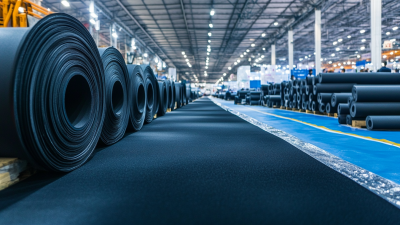
You know, in the constantly changing world of fitness, it’s pretty clear that having the right equipment matters a ton. And one of the most overlooked but super important parts of any training space? The flooring, for sure. Rubber Gym Mats are actually a game-changer—they help keep you safe and boost your performance, whether you’re just starting out or a seasoned athlete. Interestingly, a recent industry report predicts that the global market for gym flooring will hit around $1.2 billion by 2025, mainly because more and more folks are jumping on the fitness and wellness bandwagon. At Sanhe Do It The Way Sporting Industrial Co., Ltd., and our FITFLOR brand, we’re all about creating innovative, good-looking solutions for gyms, training centers, and sports venues. This guide is here to help you figure out what to look for when choosing rubber gym mats—kind of like chatting with an expert—so you can set up a safe, high-performance workout space that really matches your needs.
Understanding the Different Types of Rubber Gym Mats Available
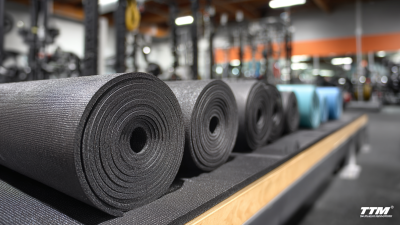
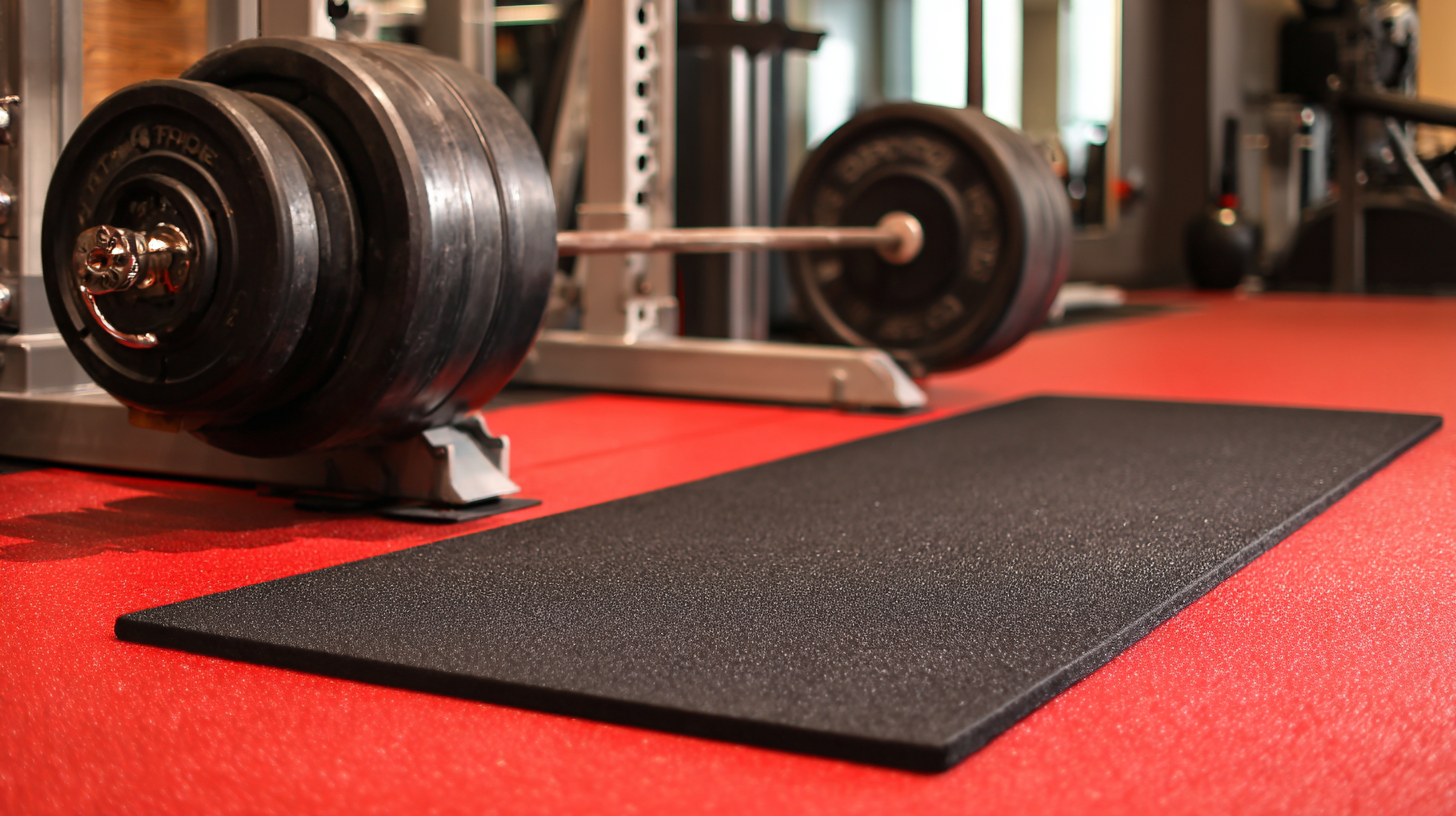
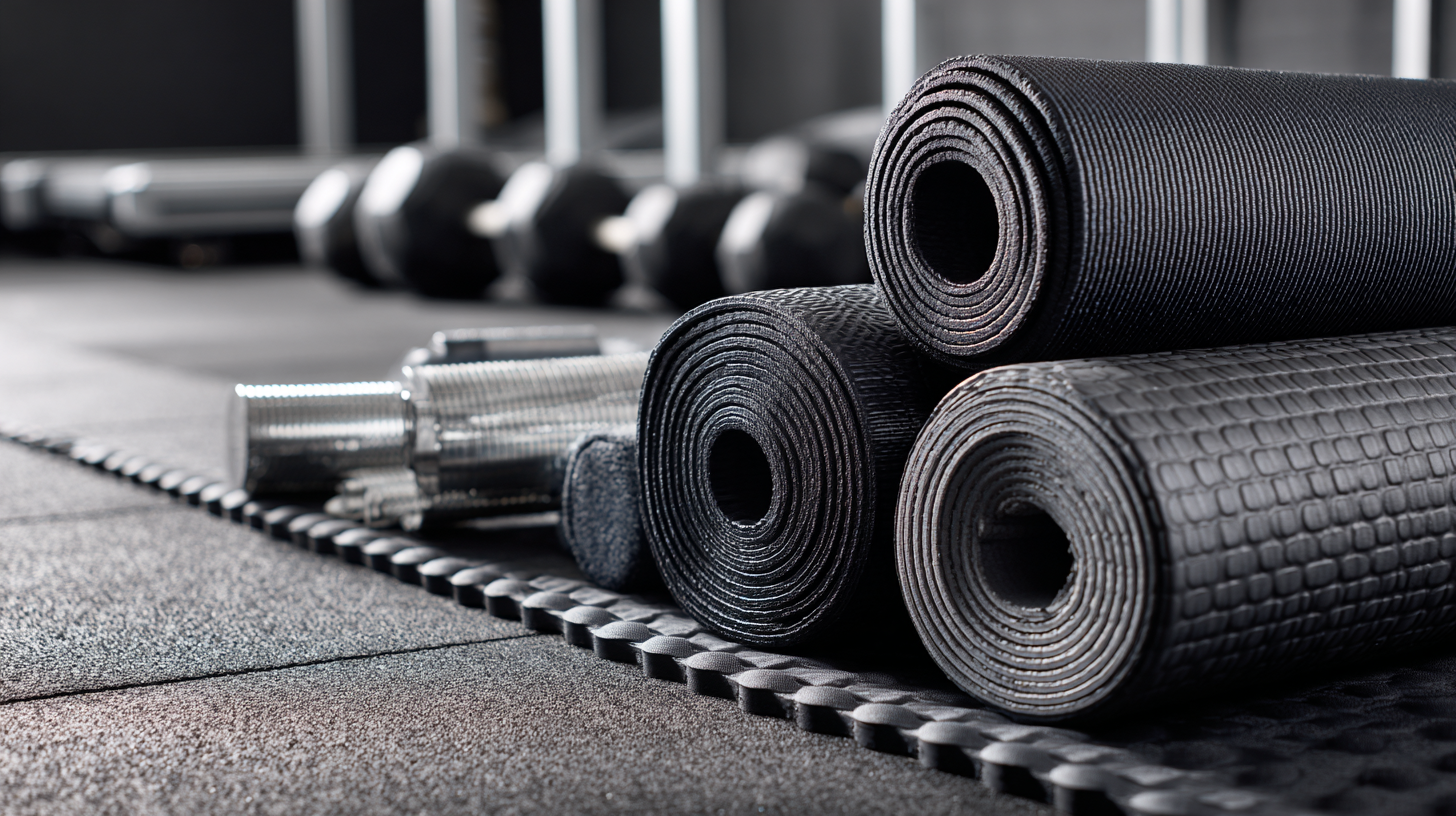
When you're setting up your workout space, picking the right rubber gym mats is a pretty important step. There are actually quite a few types out there, and each one kind of hits different needs. For instance, interlocking mats are great if you're going for something versatile—you can rearrange or customize them easily. But if you want something seamless to cover the area under heavy equipment, rolled Rubber Mats are usually the way to go. I recently read a report that said the global gym flooring market is expected to grow by over 6% each year, which just shows how much people want quality mats for their workouts.
Here's a tip: Think about what kind of workouts you'll be doing most often. For high-impact stuff, thicker mats—like around 3/4 inch—can really help protect your joints. If you're into lighter workouts like yoga or Pilates, thinner mats, around 1/4 inch, might be enough. Also, if you're looking for something durable that lasts, go for mats with a high durometer rating—they're more robust and a smarter investment in the long run.
And, by the way, mats that are antimicrobial and water-resistant are becoming super popular, especially in gyms or sports facilities where moisture is a thing. One survey showed that those places which focused on hygiene and easy maintenance actually saw about 20% fewer issues with mold or mildew. So, spending a little extra on features that promote cleanliness can really help your mats last longer and keep your workout environment healthier.
Hope this helps you choose the perfect mats for your home gym or workout area!
Key Features to Consider When Choosing Rubber Gym Mats
When you're picking out rubber gym mats, there are a few key things to keep in mind to make sure everything's safe and works well. Durability is a biggie — I mean, honestly, a lot of gym owners have noticed that their equipment lasts longer when they go for high-quality mats. So, look for mats made from dense, good-quality rubber that can handle lots of foot traffic, especially if you’re setting up in a busy gym.
Another thing that’s super important is traction. A study in the Journal of Sports Engineering and Technology found that rubber mats with better slip resistance can actually cut down accidents by up to 40%. This is especially handy if the workout area tends to get sweaty or damp — like during intense interval sessions or heavy workouts. Oh, and don’t forget about thickness. Mats that are at least half an inch thick give you better cushioning and support, which helps reduce injuries when you're doing quick, vigorous moves. So, yeah, when you're choosing rubber gym mats, just focus on durability, good grip, and the right thickness — that way, you’ll create a safe, effective space to work out in.
Expert Tips for Measuring Your Space Before Buying
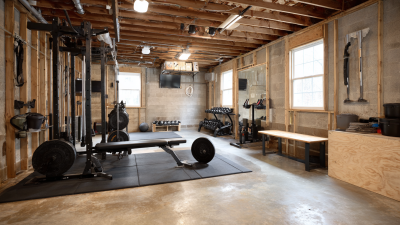
Choosing the right rubber gym mats for your workout space really starts with getting the measurements right. Honestly, before you hit “buy,” it's super important to figure out the exact size of your area. Just a quick heads up – measuring both the length and width can save you a lot of headaches down the line. Nobody wants mats that are either tiny and don’t cover enough or way too big, making your workout feel all off. Trust me, those little details can make all the difference in how smoothly your routine goes.
**A few tips for measuring your space:**
- Grab a tape measure and get as precise as you can. Also, don’t forget to check around any equipment or furniture — they can mess with your placement.
- It’s a good idea to leave a few inches of extra space around the edges. Not only does that make cleaning easier, but it also keeps things tidy and protected.
Plus, it’s worth taking a peek at some expert reports. They often highlight how durable and resilient different rubber mats are. Recent industry reviews show that high-quality rubber mats can really lower the risk of injuries by offering great shock absorption and grip. Picking the right mats isn’t just about saving a few bucks – it’s about making your gym safer and making sure you actually enjoy your workouts. So, prioritize quality over price, and you’ll end up with a space that’s built to last and keeps you motivated in your fitness journey.
Assessing Durability and Maintenance Requirements for Gym Mats
When you're choosing rubber gym mats, it's really important to think about how durable they are and what kind of maintenance they require—these are key factors you don't want to overlook. According to the National Association of Sports Medicine, good-quality rubber mats can handle heavy weights and constant use, often lasting between 10 to 15 years if you take good care of them. That makes them a pretty solid investment for any gym. It’s also worth paying attention to the thickness and density—ideally, go for mats that are at least 3/8 inch thick so you get enough support and cushioning no matter what kind of workout you’re doing.
Here's a quick tip: keeping your mats clean on a regular basis is super important if you want them to last. A simple mix of mild soap and water does the trick—no need for harsh chemicals that could damage the rubber over time. Plus, some mats are designed to resist slipping and are even hypoallergenic, which means less fuss when it comes to cleaning and maintenance. People who use antimicrobial-treated mats often notice less mold and funky odors, which means less deep cleaning in the long run.
Another thing to think about—try to pick mats that come with warranties or performance guarantees. A lot of trusted brands provide info about how long their mats last and how well they hold up, so you can make a smarter choice that really fits your gym’s needs.
The Ultimate Guide to Choosing the Right Rubber Gym Mats
This bar chart illustrates the durability ratings and maintenance requirements of different types of rubber gym mats. The ratings are based on expert insights regarding their lifespan and care needed, providing a clear comparison for gym owners.
Evaluating the Cost vs. Quality of Rubber Gym Mats
When you're picking out rubber gym mats, it’s really important to find that sweet spot between price and quality. Sure, pricier mats can seem like a splurge, but honestly, they’re often worth it because they tend to last longer, handle heavy weights better, and just perform more reliably during your workouts. These mats are built tough to take on the wear and tear of serious lifting or intense sessions without falling apart. Going for quality really pays off in the long run — you’ll save money because you won’t need to replace them as often.
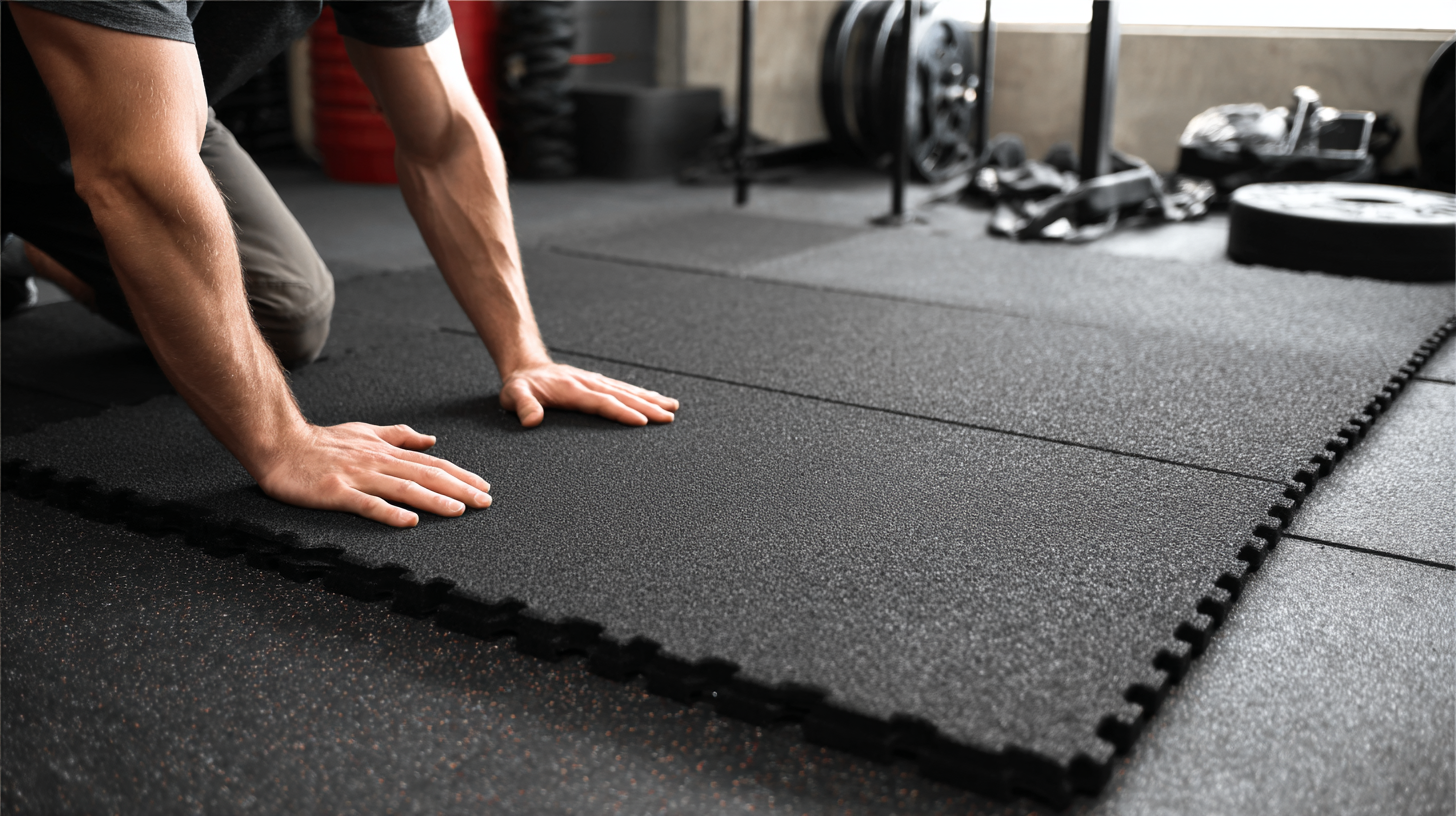
That said, I get it — cheap mats might look like the obvious choice, especially if you’re just setting up your home gym or trying to keep costs down as a gym owner. But the thing is, lower-cost mats often don’t give you enough cushion or grip, which can be a safety concern. Sometimes, they wear out pretty fast or even tear, and that can end up costing you more in replacements or, worst case, injuries. So, it’s all about thinking ahead — how often are you using the space, what’s your budget, and what’s more important: saving a buck now or having something reliable?
Usually, a middle-of-the-road option that balances decent durability with affordability is the smarter move — it’s kind of like a happy medium that keeps your workouts safe and your wallet happy too.
Exploring Eco-Friendly Options in Rubber Gym Flooring Solutions
When you're picking out rubber gym mats these days, it’s hard not to notice that everyone’s really starting to care about sustainability. I mean, both people hitting the gym and gym owners are getting more into eco-friendly stuff. A recent report from Grand View Research mentioned that the global market for green flooring is projected to hit around $450 billion by 2027 — pretty wild, right? Most of that growth is driven by folks wanting sustainable materials. Rubber mats made from recycled bits aren’t just super durable and good at absorbing shock; they also help keep waste out of landfills and support a circular economy, which is pretty awesome for the environment.
When it comes to eco-friendly rubber flooring, you’ve got options. For example, mats made from natural rubber or those that incorporate recycled content from post-consumer waste. There was a study in the Journal of Cleaner Production showing that making natural rubber actually produces way less carbon compared to synthetic rubber. Plus, using recycled rubber can really make a difference — it’s estimated that each gym that installs recycled mats saves about a thousand pounds of waste from ending up in landfills. As gyms start to care more about the environment, going for eco-friendly rubber mats isn’t just a smart choice for performance — it’s a responsible move for our planet, too.
The Ultimate Guide to Choosing the Right Rubber Gym Mats Based on Expert Insights - Exploring Eco-Friendly Options in Rubber Gym Flooring Solutions
| Mats Type | Thickness (inches) | Eco-Friendly Rating | Traction Level | Price Range (per mat) |
| Standard Rubber Mat | 0.5 | Moderate | High | $30 - $50 |
| Eco-Friendly Rubber Mat | 0.75 | High | Very High | $45 - $70 |
| Interlocking Rubber Tiles | 1.0 | Moderate | High | $1.50 - $3.00 |
| High-Density Foam Mat | 0.75 | Low | Medium | $35 - $65 |
| Luxury Rubber Mat | 1.5 | High | Very High | $100 - $150 |
FAQS
: Rubber gym mats come in various types, including interlocking mats for multi-purpose spaces and rolled rubber mats for seamless coverage in areas with heavier equipment.
For high-impact workouts, thicker mats (around 3/4 inch) are recommended to reduce joint stress, while thinner options (around 1/4 inch) may suffice for low-intensity exercises like yoga or pilates.
Anti-microbial and water-resistant mats are gaining popularity for their ability to prevent mold and mildew, especially in moisture-prone environments like gyms, contributing to a healthier workout space.
To ensure proper sizing, measure the length and width of your space, accounting for any obstacles, and leave a few extra inches around the perimeter for easier cleaning and maintenance.
It's essential to balance cost and quality; higher-quality mats may have a higher upfront cost but offer better durability and performance, leading to long-term savings by reducing the need for replacements.
Choosing high-quality mats with good shock absorption and traction can significantly reduce the risk of injuries during workouts, making the training environment safer.
Consider the specific activities you'll be doing, the frequency of your workouts, and whether you prioritize budget-friendly options or long-term investment in quality for safety and durability.
The global gym flooring market is expected to grow by over 6% annually, reflecting an increasing demand for quality materials in fitness facilities.
Conclusion
In our article, 'The Ultimate Guide to Choosing the Right Rubber Gym Mats Based on Expert Insights,' we dive into what really matters when picking out the perfect rubber gym mats for your workout space. Understanding the different types of mats out there is super important because each one is designed for specific needs—whether you're doing high-impact routines or just looking for a reliable floor. Things like thickness, texture, and slip resistance aren’t just small details; they’re key to keeping you safe and helping you perform your best.
Plus, we share some handy tips from experts on how to measure your space properly—because nobody wants mats that don’t fit! It’s also worth thinking about how durable they are and what kind of upkeep they’ll need. Trust us, spending a little extra time on these details can save you hassle and money down the line. Don’t forget to weigh the price against quality—that way, you’re making a smart choice that lasts. And if you're eco-conscious, there are green options out there too! Picking eco-friendly flooring can make your gym more sustainable without sacrificing style or function. Here at FITFLOR, we’re all about offering innovative solutions to help you create a workout area that’s not just functional but also looks great—designed exactly for your needs.